Currently Empty: £ 0.00

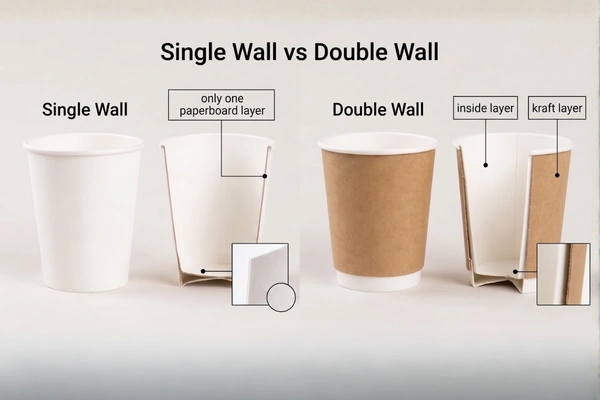
Single wall vs double wall paper cups comes down to one trade off: single wall cups are cheaper and lighter, while double wall cups insulate better and remove the need for a sleeve. Single wall suits cold and quick serve drinks on a tight budget; double wall suits hot takeaway and premium branding. This guide shows café, restaurant and takeaway owners how each cup performs, so you pick the one that fits your menu, your volume and your margins in 2026.
What is actually different: how each cup is made
Before comparing performance, it helps to understand what sits in your customer’s hand. Both cups start from the same raw material, food-grade paperboard with a liquid barrier, but they are built differently, and that build drives every difference below.
Single wall: one layer, one job
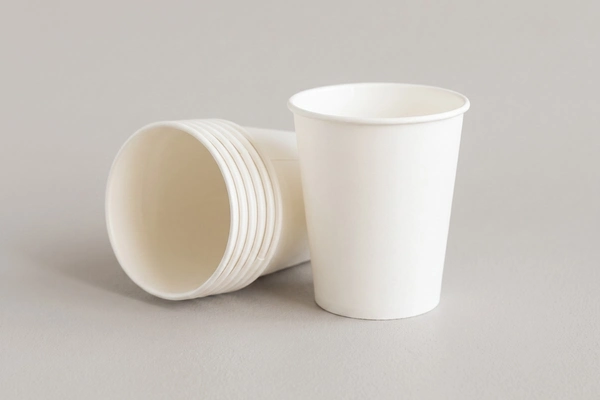
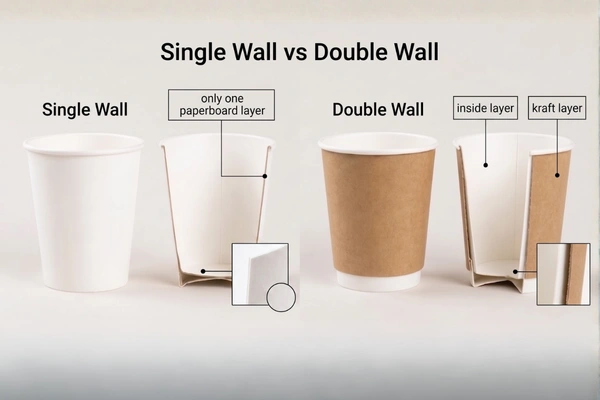
A single wall paper cup is exactly that: one layer of paperboard lined on the inside with a thin barrier, usually PE (polyethylene), PLA (a plant-based bioplastic) or a newer water-based coating, to stop leaks.
Some versions add an embossed texture outside for a little extra grip. The result is light, low cost and quick to produce, which is why it stays the default for cold and fast moving drinks.
Double wall: two layers and a pocket of air
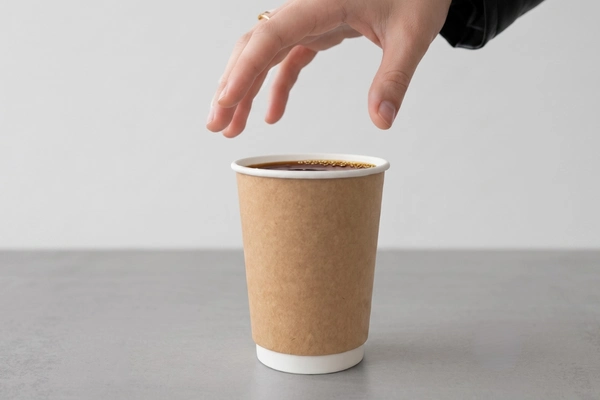
A double wall paper cup wraps a second layer of paperboard around the first, leaving a thin air gap between them. That trapped air is the whole point: it slows heat transfer, so the drink stays warm while the outer surface stays cool enough to hold. The build feels sturdier and more substantial in the hand, which is a large part of its premium appeal.
Which cup is right for your business
Single wall paper cup suits you if: you serve mainly cold drinks, iced coffee or fast dine in espresso, or you run on tight margins and can keep sleeves on hand for the occasional hot order.
Double wall paper cup suits you if: you sell hot takeaway, want a premium feel and full-wrap branding, and would rather remove the sleeve step at a busy counter.
Quick guide by business type:
- Speciality or premium takeaway: double wall for heat, comfort and a brand-worthy feel.
- High-volume, budget-focused service: single wall, with sleeves on hand for the hottest drinks.
- Cold drinks and fast dine in: single wall is all you need.
- Winter markets and long hold drinks: double wall to keep hot chocolate and mulled drinks warm.
When not to bother: do not pay the double wall premium for cold or dine in drinks, single wall is the better value there. And do not lean on bare single wall for hot takeaway, the sleeves and complaints usually cost you more than upgrading would.
When to switch: if customers regularly ask for a second cup or a sleeve, move that line to double wall. If a hot line goes seasonal and quiet, drop back to single wall plus sleeves to protect margin. Review it each season rather than once and forget.
One more option before you commit: the ripple wall cup. Instead of a smooth second layer it wraps the cup in a corrugated, wave-textured outer sheet, giving the firmest grip of the three plus strong insulation. That is why food trucks, events and busy takeaway sites like it. It usually costs a little more than double wall, and the texture can distort very detailed logos, so it fits best when grip and a rugged, hands-on look matter more than fine print detail.
Frequently asked questions
Are double wall cups worth the extra cost?
For hot takeaway, often yes, once you factor in the sleeve and labour they replace. For cold or dine-in drinks, single wall is usually the better value.
Do single wall cups always need a sleeve?
Not for cold or quick serve drinks. For hot drinks above roughly 65-70°C, a sleeve, or a switch to double wall, keeps the cup comfortable to hold.
Are double wall paper cups recyclable?
It depends on the lining, not the walls. Water-based coatings recycle most easily, while PE and PLA usually need specialist or industrial facilities.
Ripple wall or double wall for keeping coffee hot?
Both insulate well; double wall often holds heat slightly longer and prints cleaner, while ripple wall offers a firmer grip.
Can I mix single and double wall to save money?
Yes, and many sites do. Run cold and dine-in lines on single wall and reserve double wall for hot takeaway. It trims cost without hurting the customer experience.
Do I need a huge order to get custom printing?
No. At EcoLife custom print starts from a low MOQ of 500 units, so smaller cafés and single sites can still put their logo on the cup without committing to a warehouse full of stock.
To sum up
The choice is really about your drinks, your volume and your brand. Single wall keeps things light and low cost; double wall delivers heat protection and a premium feel; ripple wall pushes grip and durability further.
Match the paper cup to how you serve, run the all-in cost on your own numbers, and source from a supplier who can prove quality. Get that right, and the humble single wall vs double wall paper cups decision quietly becomes an advantage for your business.